 Juan Henderson
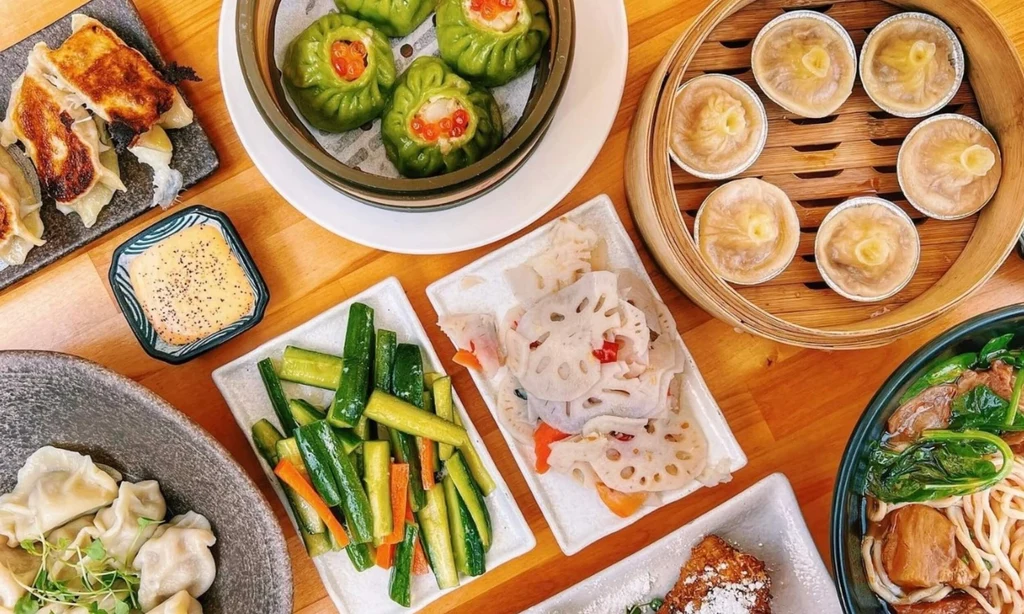
Decide whether dumplings are the food you want people to notice most or an accompaniment to something else. That choice should come before quantity, toppings, and serving dishes. The same filling can play different roles, but a clear role makes it easier to build a menu that feels deliberate rather than simply generous in every direction.
Identify the food you want people to notice
Think about the reason you are making this dinner. Perhaps you want to try a specific filling, or perhaps another dish is already the centerpiece and needs a savory accompaniment. Starting with that intention gives the rest of the menu a reference point. You can then judge additions by how they support it.
If trying the dumplings is the main event, keep their flavor visible. Choose a side that does not cover or overwhelm them, and serve any strong sauce separately at first. People should be able to identify the filling you were interested in rather than taste only the finish.
If another dish is central, describe the dumplings as a side when planning. That can affect the amount you buy, the space allocated on the plate, and the number of varieties you consider. A side does not need to imitate the scale of a separate main course to be worthwhile.
Discuss the intended role with anyone contributing food. A guest asked to bring a side may prepare differently if they know the dumplings are the central item. Without that context, several contributors can each imagine that their dish must carry the whole meal, producing more food and preparation than the gathering needs.
Consider how rich the rest of the menu is
Look at the actual ingredients already planned. If cheese, cream, or a smoky flavor appears in another dish, decide whether you want the dumplings to repeat that character. Repetition can be enjoyable, but it should be deliberate. A filling with several rich ingredients may call for a different accompaniment from a simpler potato-and-onion choice.
Fully Loaded Potato combines potato, cheddar, smoked pork bacon, onion, butter, and sour cream. The descriptions in the Holy Perogy range for Columbus make that combination explicit. This helps you assess its role beside the other dishes without assuming that every potato dumpling contributes the same flavor.
For a dinner centered on that filling, a fresh or plainly prepared vegetable side may be appealing. For a menu already rich in similar flavors, you might choose a smaller supporting role or another filling. Choose the arrangement that leaves room for the other dishes people want to enjoy.
Remember that a filling description also identifies ingredients guests may want to know about. Fully Loaded Potato contains pork. Calling it simply a potato side can leave out information relevant to someone choosing from the table. Use a plain description even when the dumplings are a minor part of the meal.
Consider texture as well as richness. A menu of several soft foods may lead you to choose a crisp accompaniment. A meal with many sharp or crunchy components may make a softer dumpling element welcome. The useful assessment is the experience of the whole plate rather than a rule about which food category must dominate.
Choose a serving format that matches the role
A central dumpling dish may work well on individual plates with the accompaniment arranged beside it. This gives the filling a visible place and makes the meal easy to understand. It also lets you ask about preferred amounts before serving, instead of assigning the same portion to everyone.
As a side, dumplings might be served from a shared dish if the table has room and a suitable utensil. Position the dish so people can reach it without moving the centerpiece. A supporting food should be accessible even when it is not the visual focus.
Do not assume that full-size always means main dish or mini always means appetizer. Format describes the product, while role describes the meal. A full-size dumpling can be part of a starter, and mini dumplings can appear in a supper. Seating, utensils, accompaniments, and appetite determine how the food functions.
Choose the number of varieties with the same logic. A second filling may help meet different preferences, but it can also make the main-versus-side decision less clear if both are treated as separate attractions. Add variety for a reason rather than to make a shared platter look abundant.
Buy the amount after deciding the structure
Once the role is settled, estimate the purchase from the people eating and the rest of the food. Use the package information available to you and your own experience of the household. Avoid treating a fixed number of dumplings per person as a universal answer, especially when the products differ in format.
Account for what else guests will eat during the occasion. A starter followed by dinner has a different purpose from the only meal offered. The word “side” does not determine quantity by itself; it needs the context of the menu and the people.
Before adding a backup bag, decide how it would be used if unopened. A purchase that fits a future household meal may be sensible, while one bought only to avoid making a quantity decision may become an unwanted extra. Storage space is part of that judgment.
When the meal reaches the table, its structure should feel natural: a clear focus, useful accompaniments, and room for people to choose. The dumplings can be central or supporting. Giving them one understandable job is what makes either arrangement work.