 Juan Henderson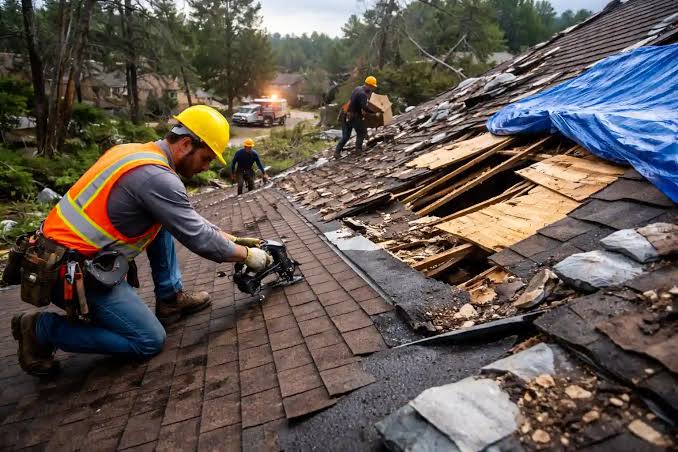
Minnesota’s storms create unique challenges for roofing systems throughout the year. Factors such as heavy snow, wind-driven rain, hail, and rapid temperature fluctuations contribute to gradual wear that may not be immediately apparent. When damage is finally noticeable, it often arises from a combination of stress factors rather than a single event.
By understanding how these weather conditions interact, it becomes clear that storm damage repair in Minnesota necessitates a comprehensive evaluation rather than superficial fixes. At Krumm Exteriors, the focus is on uncovering both visible and hidden effects to ensure that repairs effectively address the entirety of storm-related deterioration.
How Storm Systems Affect Roofing Structures
The intensity of storm systems in Minnesota can vary, yet each type poses specific risks to roofing materials. High winds may dislodge shingles, exposing vulnerable underlayment, while hail can damage protective granules, ultimately shortening the lifespan of roofing materials. Ice accumulations also add strain by forcing moisture into small openings, which can expand during freezing cycles.
Over time, these forces diminish overall roof performance and increase the risk of leaks. A proper assessment should identify how each weather event contributes to cumulative damage rather than just isolated problems.
At Krumm Exteriors, the evaluation process takes into account both the immediate effects of storms and the long-term wear patterns, ensuring that repair decisions are based on actual structural conditions rather than mere appearances.
Recognizing Damage After Severe Weather
Following significant weather events, damage is not always readily visible. External signs like missing shingles, bent flashing, or granule loss may be the first things noticed, but indoor indicators often point to more serious issues. Water stains, musty odors, and fluctuating indoor temperatures can indicate that moisture has infiltrated beneath protective layers.
In many instances, storm damage repairs in Minnesota become necessary only after these symptoms escalate into more significant structural concerns. Krumm Exteriors typically investigates both exterior and interior conditions to assess the full extent of storm damage, including inspections of attic spaces and roof transitions where damage might go unnoticed. Early detection can prevent more extensive repairs down the line.
Repair Strategy and Material Considerations
Repair strategies following storm exposure require a thorough evaluation of both visible damage and the underlying system performance. Simply replacing damaged shingles does not always address the deeper issues caused by water infiltration or wind pressure.
A more comprehensive approach involves assessing the integrity of the underlayment, sealing vulnerabilities, and ensuring that drainage pathways function properly. Material selection is also crucial for long-term durability, particularly when replacing areas that have faced repeated storm stress. Using materials that match existing roof systems helps maintain uniform performance and reduces the risk of uneven wear.
Meticulous attention to detail during installation ensures that repaired areas are equipped to withstand future weather events, minimizing the risk of premature failure. Thoughtful planning during repair work can also help reduce the chances of recurring issues and prolong the roof’s overall service life.
Prevention and Long-Term Stability
Preventative maintenance is vital in minimizing the effects of future storms. Regular inspections before and after severe weather can help identify vulnerabilities early, allowing for minor corrections before they develop into major structural problems. Keeping drainage systems clear helps prevent water buildup, while monitoring flashing and sealants maintains a robust barrier against moisture intrusion. Additionally, proper attic ventilation plays a crucial role in supporting long-term roof stability by regulating temperature and humidity fluctuations.
Over time, these practices lead to fewer emergency repairs and more reliable roof performance in the face of seasonal changes. A consistent maintenance strategy enhances overall durability and enables roofing systems to better respond to Minnesota’s changing climate.
Conclusion
Roof systems in Minnesota face continuous exposure to fluctuating weather patterns that affect both immediate damage and long-term wear. A comprehensive understanding of how these conditions interact allows for more accurate assessments and longer-lasting repair solutions.
By paying attention to early warning signs, employing structured repair practices, and maintaining a proactive maintenance routine, roofing systems can achieve greater stability when confronted with storms and seasonal shifts. Consistent care not only fortifies long-term protection but also minimizes the likelihood of unexpected structural issues over time.

 Logan Peterson