 Juan Henderson
Wildfire smoke represents a complex mixture of gases and particles that can profoundly affect the living environment when external air quality degrades. Understanding how these pollutants behave is the first step toward effective mitigation and long-term planning for homeowners living in high-risk zones. Protecting your living space requires viewing your residence as an integrated system that can be shielded from external atmospheric hazards.
Composition of wildfire smoke and fine particulate matter
Wildfire smoke is primarily composed of carbon dioxide, water vapor, and a hazardous blend of fine particulate matter, commonly referred to as PM2.5. These microscopic particles are small enough to lodge deep within the lungs and enter the bloodstream, which is often detailed in wildfire smoke research. Unlike common household dust, the combustion byproducts found in smoke include volatile organic compounds and toxins that remain suspended in the air long after visible haze fades.
How smoke infiltrates the residential environment
Smoke enters a home through various pathways, including gaps around windows, doors, and within the ventilation systems themselves. Even with doors closed, pressure differences between the interior and exterior of a home force outdoor air through microscopic cracks, a process known as infiltration. Managing this movement is critical to maintaining a clean indoor environment when external conditions are compromised.
Health implications of prolonged indoor smoke exposure
Prolonged exposure to indoor smoke can lead to significant respiratory and cardiovascular health issues for inhabitants. Vulnerable populations, including children and those with pre-existing conditions, often report aggravated symptoms when indoor air filtration is neglected during wildfire events. Proactive efforts to protect your family from these pollutants are essential for sustaining long-term health and wellness within the home.
Preparing your home before wildfire season
Preparation is the most effective defense against the seasonal onset of wildfire smoke events. By inspecting and reinforcing the home envelope before fire risk increases, individuals can significantly reduce the amount of infiltration that occurs during peak season. A systematic approach to household readiness ensures that essential systems are prepared to maintain a safer indoor environment.
Assessing HVAC systems and filtration capacity
Evaluating the capacity of your existing furnace or air conditioning system is an essential step in seasonal readiness. High-efficiency filters, specifically those capable of capturing tiny particles, should be verified for compatibility with your existing blower motor to avoid straining the system. Regular assessment prevents unexpected failures during the most critical times of the year.
Conducting a thorough home envelope inspection
An extensive inspection of the home envelope involves identifying seal failures around windows, electrical outlets, and plumbing penetrations. When the seal is compromised, outdoor smoke concentrations can rapidly reach indoor levels, negating the benefits of air purifiers. Homeowners should focus on these areas to ensure that weatherstripping and caulk are intact and capable of preventing air bypass.
Developing a proactive wildfire air quality action plan
A comprehensive plan integrates several physical and behavioral changes to manage air quality during an emergency. Essential components of a robust strategy typically include:
- Stockpiling high-efficiency air filters for rapid replacement
- Establishing a clean room space using portable filtration units
- Preparing N-95 respirators for necessary outdoor transit
- Updating medical supplies and emergency action plans
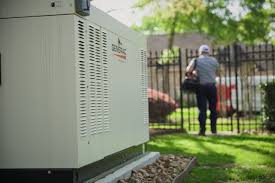
- Verifying generator readiness for power-outage scenarios
Establishing this plan well before the first smoke haze appears provides clarity and reduces stress during an emergency event.
Implementing effective air filtration and purification
Effective air purification hinges on selecting equipment that matches the volume and specific conditions of your indoor space. By focusing on clean air delivery rates and filter efficiency, households can create a consistent barrier against infiltrating pollutants. It is vital to recognize that the best defense against airborne particles is a multi-layered approach that combines filtration with careful air management.
Choosing the right HEPA air purifiers for your space
True HEPA purifiers are indispensable tools for removing 99.97% of particulates from the indoor air. To maximize effectiveness, these devices must be sized correctly for the square footage of the room they serve, ensuring that volumes are exchanged multiple times per hour. These units act as the primary defense in rooms where homeowners spend the most time.
Understanding MERV ratings and furnace filter compatibility
Furnace filters use the Minimum Efficiency Reporting Value (MERV) scale to denote their ability to capture different sizes of particles, and essential safety tips often recommend ratings of 13 or higher during fire events. It is important to confirm that your HVAC system can accommodate these dense filters without restricting airflow to a point that damages the system. Matching the filter to the system prevents the risks associated with improper airflow restriction.
Strategic placement of portable air cleaners
Placement of air purification equipment requires an understanding of room airflow patterns to ensure the air circulates effectively through the unit. Placing units in high-traffic or central living areas, rather than confined behind furniture, allows for more efficient particle removal. This strategic positioning ensures that the purified air reaches occupants effectively throughout the day.
Maintenance requirements for long-term filter performance
Filters must be replaced or cleaned according to the manufacturer’s schedule to maintain performance under heavy load conditions. Smoke exposure can clog filters more rapidly than normal operation, so monitoring for reduced airflow is necessary. Staying diligent with maintenance ensures consistent performance during prolonged smoke events.
Managing airflow and home sealing techniques
Controlling how air moves in and out of the home is fundamental to maintaining a breathable indoor environment when external air quality is poor. Sealing physical leaks and managing mechanical ventilation systems allow homeowners to keep interior air cleaner for longer periods. This approach is highly effective when combined with 8 essential tips for maintaining a safe indoor sanctuary.
Installing weatherstripping and door sweeps to block smoke
Adding weatherstripping to windows and installing robust door sweeps are simple yet effective methods for blocking smoke intrusion. These components minimize the gaps where air typically finds its way inside, significantly reducing the volume of smoke-laden air the purification systems must process. Regular checks of these seals ensure they remain tight and functional.
The role of positive pressure during smoke events
Positive pressure ventilation involves introducing filtered outdoor air into the home to maintain a pressure that is higher than the outside, effectively pushing smoke out through remaining leaks. This technique requires a well-sealed building and a high-efficiency filtration system to ensure that the incoming air is scrubbed of particulates. It provides a sophisticated method for maintaining air quality in established living spaces.
Proper management of kitchen range hoods and exhaust fans
Many household fixtures, such as range hoods or bathroom fans, can create negative pressure that draws outdoor smoke directly into the home. During air quality alerts, it is often necessary to minimize the use of these fans or ensure that windows remain closed during their operation. Controlling these vents is a crucial aspect of overall air movement management.
When and how to safely recirculate indoor air
Recirculation mode on an HVAC system can be a helpful strategy to scrub the air already inside the home without pulling in new, unfiltered pollutants. It is essential to ensure that outdoor dampers are fully closed during this process to prevent the accidental introduction of exterior smoke. Managing the system this way allows for efficient cleaning cycles.
Monitoring air quality levels in real time
Real-time monitoring allows for informed decision-making regarding when to open windows and when to boost indoor air purification. By utilizing accurate data sources and sensors, homeowners can understand the difference between local events and long-range atmospheric transport. Knowing when to act is just as important as having the equipment to respond.
Utilizing smart indoor air quality sensors
Smart sensors offer the advantage of continuous, hyper-local monitoring, often detecting changes in air composition before they become noticeably severe to humans. These devices enable data-driven adjustments to air purification settings and household activities. Access to this information provides a clearer picture of comfort levels throughout different times of the day.
Interpreting local air quality index reports accurately
Air quality index (AQI) reports provide a standardized way to gauge current safety levels, though they must be interpreted alongside local conditions. Monitoring these reports helps in planning outdoor activities and deciding whether to increase indoor filtration intensity. Understanding the scale of the AQI assists in maintaining perspective on the severity of the situation.
Distinguishing between ambient outdoor smoke and indoor accumulation
Distinguishing between baseline air quality and concentrated smoke infiltration requires tracking both indoor and outdoor sensor readings simultaneously. If indicators show high particles indoors despite purification, it confirms that infiltration paths need attention. This distinction helps prioritize home maintenance tasks and identifies the most effective moments to seal the home envelope.
Best practices for daily living during wildfire events
Adapting daily routines during a wildfire event can significantly reduce the internal pollutant load and minimize stress for household members. Simple adjustments to everyday behavior help preserve the efficacy of the home’s filtration systems. Focusing on these practices ensures the living environment remains a refuge throughout the crisis.
Reducing indoor activities that generate additional pollutants
During times of poor outdoor air quality, it is wise to refrain from activities that introduce additional particles into the living space. Tasks such as cooking with high-heat oil, burning candles, or using volatile cleaning chemicals contribute to poor indoor conditions. Simplifying the environment by reducing these sources of pollution allows air cleaners to focus entirely on clearing smoke particles.
Modifying household cleaning routines to prevent dust redistribution
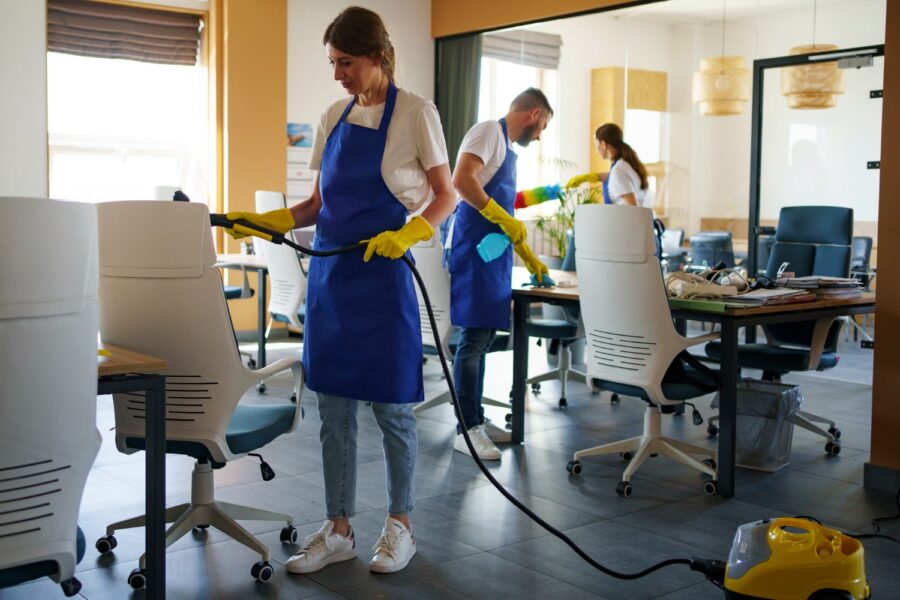
Standard vacuuming can often redistribute fine dust and captured smoke particles back into the air unless done with proper equipment. Using vacuums with sealed HEPA systems and damp dusting furniture surfaces helps keep particulate matter contained rather than letting it circulate. Cleaning routines should transition to these methods as soon as external air quality hazards increase.
Protecting high-risk occupants and pets from indoor air hazards
High-risk individuals, including those with pre-existing respiratory or cardiovascular issues, require a heightened level of protection and close monitoring. Creating dedicated ‘clean zones’ within the home and, as described in the vicious cycle of climate-related impacts, maintaining a consistent environment helps mitigate the severe health risks of wildfire smoke. Pets should also remain inside and away from windows to prevent exposure during periods of low air quality.

 Logan Peterson