 Logan Peterson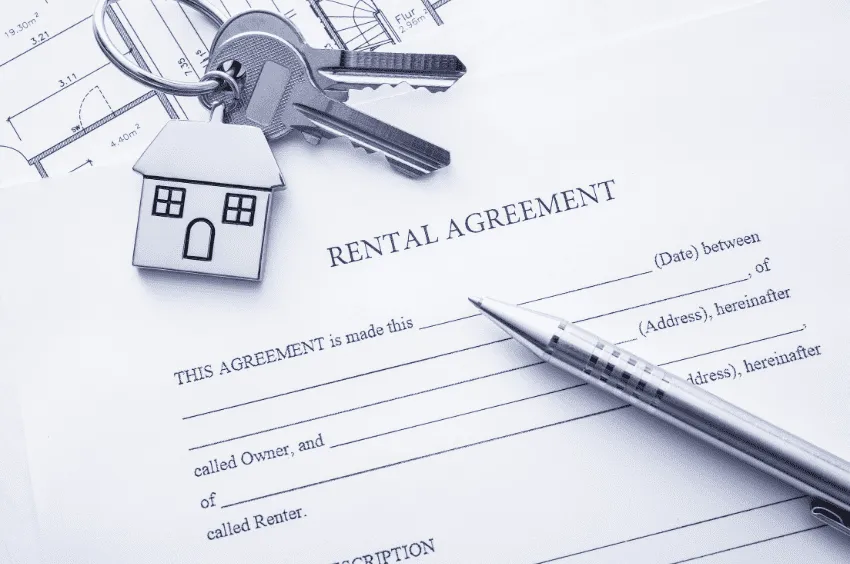
A strong rental agreement template is more than just a document that landlords and tenants sign before moving in. It serves as a guide that explains the responsibilities, expectations, and rights of both parties throughout the rental period. A clear and detailed agreement can help prevent misunderstandings, reduce conflicts, and protect both the landlord and the tenant from possible problems in the future.
For property owners, having a well-written rental agreement can make property management much easier and more organized. Instead of relying on verbal agreements or basic online forms, landlords should make sure every section of the lease is carefully written to fit their property and local rental laws. Each clause has a purpose and can help avoid costly issues later on which is why having rental agreement templates for landlords is the first step in this process.
In this article, TE Johnson & Sons explains the most important parts every rental agreement should include. These guidelines can help landlords create a clear, fair, and legally enforceable agreement that supports a successful tenancy.
Essential Information Every Rental Agreement Needs
Identify All Parties Clearly
One of the first things a rental agreement should include is the complete legal names of everyone involved in the lease. This means listing the landlord or property owner and every tenant who will live in the rental property.
When there are several tenants renting the same property, the agreement should also explain whether all tenants share equal responsibility for paying rent and covering damages. Clearly identifying everyone involved helps avoid confusion and makes it easier to enforce the agreement if problems arise later.
Provide a Complete Property Description
The rental agreement should clearly describe the property being rented. This includes the full address, apartment or unit number, and any additional spaces included with the rental.
For example, if the tenant is allowed to use a parking space, storage room, garden, or shared amenities, these should all be listed in the agreement. A detailed property description helps prevent disagreements about what areas or services are included in the lease.
Explain the Lease Term
The agreement should also state how long the tenancy will last. Some landlords prefer fixed-term leases, while others choose month-to-month rental arrangements.
A fixed-term lease usually includes a start date and an end date, while a month-to-month agreement continues until either party gives proper notice. It is also important to explain whether the lease renews automatically or requires a new agreement at the end of the term. Clear lease terms help both parties understand what to expect and avoid unexpected changes.
Include Rent Amount and Payment Rules
Rent details are one of the most important parts of any lease agreement. The document should clearly state how much rent the tenant must pay, when the payment is due, and what payment methods are accepted.
The agreement should also explain what happens if rent is paid late. This may include late fees, grace periods, or possible penalties for missed payments. By clearly outlining payment expectations, landlords can protect their income while helping tenants stay informed about their responsibilities.
Outline Security Deposit Terms
Security deposits help protect landlords from unpaid rent, lease violations, or property damage. Because of this, the rental agreement should explain the exact amount of the deposit and the conditions under which deductions may be made.
The agreement should also include details about when and how the deposit will be returned after the tenant moves out. Being transparent about security deposit rules helps build trust and reduces misunderstandings.
Rules and Responsibilities That Help Avoid Problems
Define Maintenance and Repair Duties
Maintenance responsibilities should always be clearly explained in the rental agreement. Both landlords and tenants usually have certain duties when it comes to keeping the property in good condition.
Landlords are often responsible for major repairs and making sure the property is safe and livable, while tenants are usually expected to keep the property clean and report maintenance problems quickly. The agreement should explain how tenants can request repairs and how emergencies will be handled. Clear communication can help avoid delays and protect the condition of the property.
Set Reasonable Property Rules
Many rental agreements include rules about how the property should be used. These rules may cover parking, noise levels, garbage disposal, smoking policies, or the use of shared spaces.
Clearly written rules help create a peaceful living environment for everyone. However, landlords should make sure these rules are fair, reasonable, and in line with local laws to avoid possible legal issues.
State Occupancy Limits
The lease should explain how many people are allowed to live in the property. This helps landlords prevent overcrowding and ensures the property is being used properly.
The agreement may also include rules about long-term guests or visitors staying at the property. Setting occupancy limits from the beginning can help avoid future disputes.
Clarify Utility Responsibilities
Another important section of the rental agreement is explaining who pays for utilities and services. This may include electricity, water, gas, internet, cable, or trash collection.
The agreement should clearly state which costs are included in the rent and which must be paid separately by the tenant. Clear utility terms help both parties manage their finances and avoid billing confusion.
Explain Entry and Access Rights
Even though landlords own the property, tenants still have the right to privacy. Because of this, the agreement should explain when landlords are allowed to enter the rental unit.
In most cases, landlords must provide advance notice before entering unless there is an emergency. The agreement should also explain acceptable reasons for entry, such as inspections, repairs, or showing the property to future tenants. Setting clear entry rules helps protect tenant privacy while allowing landlords to manage the property properly.
Final Thoughts
A rental agreement is one of the most important tools landlords can use to protect their property and maintain a positive relationship with tenants. A detailed and well-organized agreement helps reduce confusion, avoid disputes, and create clear expectations for everyone involved.
By including important details such as rent terms, maintenance duties, property rules, and security deposit conditions, landlords can build a stronger foundation for a successful tenancy. Taking the time to create a complete and legally sound rental agreement can save both landlords and tenants from unnecessary stress in the future.